UK-licensed casinos cannot accept credit-card gambling deposits, so this guide explains alternative routes and the checks around funding and withdrawals.
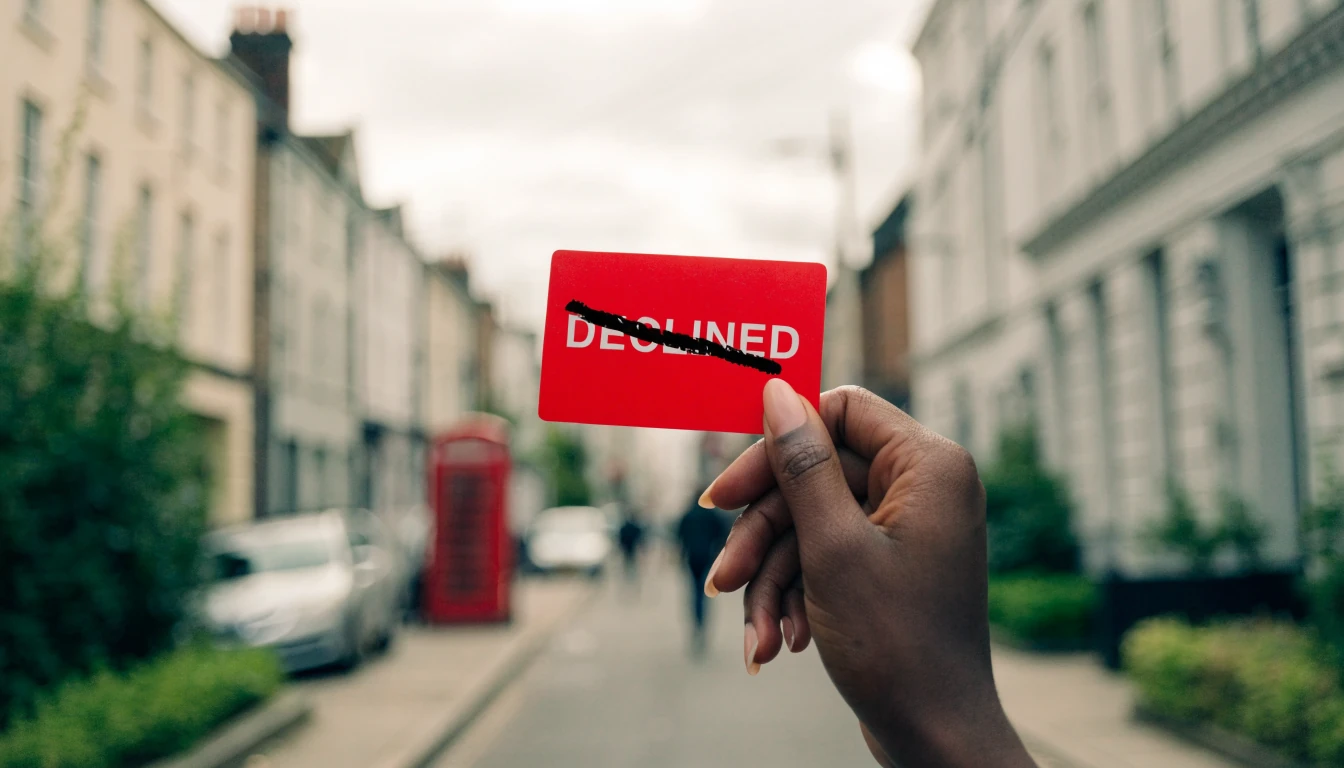
No. A UK-licensed casino cannot accept a credit card for a gambling deposit. That applies whether you are playing table games, betting on another casino game or trying to fund an online account before playing slots. If a payment is credit-funded, it is not an eligible way to put money into a gambling account with a UK-licensed operator.
The restriction is not a matter of a casino choosing to accept one card brand but not another. Remote gambling licensees must not take credit-card payments for gambling, and a cashier should not offer a credit card as a deposit route. The regulator introduced the ban on 14 April 2020; it has not since been relaxed.
That makes the answer to “can I use a credit card at an online casino in the UK?” straightforward: not at a licensed casino serving the UK market. A payment that appears to go through does not make credit-card gambling an allowed route. If you are unsure what type of card you have, check with the card issuer rather than assuming that every card carrying a familiar logo works in the same way.
If you’re looking for a UK casino that accepts credit cards, check the payment options and terms directly before you sign up. Use this list as a starting point, and consider the stated payout speed when reviewing each option.
WinBeast
WinBeast lists a payout speed of 1–3 business days. Check its current payment terms to see whether its options suit you.
SpinFormula
SpinFormula lists a payout speed of 1–3 business days. Review its current payment information before deciding whether it fits your needs.
NightWin
NightWin lists a payout speed of 1–3 business days. You can use that as one point to consider when checking its payment terms.
EvoSpin
EvoSpin lists a payout speed of 1–3 business days. Check its current terms for details about available payment options.
SlotoSport
SlotoSport lists a payout speed of 1–3 business days. Review its payment information to decide whether its options meet your requirements.
Jetsetspins
Jetsetspins lists a payout speed of 1–3 business days. Check its current terms before relying on that timing or choosing a payment method.
NightLuck
NightLuck lists a payout speed of 1–3 business days. You should check its payment terms for the options currently available to you.
x3bet
x3bet lists a payout speed of 1–3 business days. Review its current payment information before you decide whether it suits you.
Zombillion
Zombillion lists a payout speed of 1–3 business days. Check its current terms for details on payment options and payout timing.
BeOnBet
BeOnBet lists a payout speed of 1–3 business days. You can check its current payment terms to see whether its options meet your needs.
The rule also covers attempts to disguise the source of the money. Sending credit-card funds through a money service business does not turn them into an acceptable gambling deposit. Nor can an operator accept a wallet payment where that wallet allows credit-card funds to be used for gambling. The payment route may look different on your screen, but the restriction still applies.
That distinction matters because a wallet or payment service is not automatically a workaround. If credit-card money can flow through it to fund gambling, a UK-licensed casino cannot accept that payment for the purpose. The relevant point is the source and use of the funds, not simply the label shown beside the cashier option.
A credit card used for an ordinary purchase is not the same thing as a credit-card payment for gambling. But a casino deposit is plainly a gambling payment, even if you intend to withdraw later or have not yet chosen a game. You cannot make it acceptable by describing it as a temporary transfer, a balance top-up or money held for later.
The same logic applies to slots. There is no separate credit-card allowance because a slot is a particular kind of game: money deposited to play it is still being deposited for gambling. You may see broad claims online about casinos accepting cards, but “cards” can mean different products. A mention of Visa or Mastercard does not, by itself, establish that credit cards are accepted for gambling. The cashier and the card product matter.
For you, the practical takeaway is simple: do not plan a casino deposit around borrowing on a credit card. If a site claims that credit-card gambling is available to UK customers, treat that as a reason to check the operator’s status and the exact payment terms, not as proof that the restriction has changed. A UK licence is the relevant framework for legal online gambling in the market, and licensed operators must follow the rule.
I would also separate two questions that are easy to blur: whether a payment method is listed, and whether your particular funds can be used for gambling through it. A payment option’s presence does not override the restriction on credit-card funds. Nor does the fact that a transaction is approved by a provider settle whether a licensed casino may accept it.
So, can you deposit at a UK online casino with a credit card? No. Not directly, and not by routing the credit-card money through a service that permits it to be used for gambling. Keep that line clear before you try to pay. No clever detour.
The UK credit-card gambling ban took effect on 14 April 2020. It has not been relaxed. So if you are checking whether a UK-licensed casino can take a credit-card payment for gambling, the date matters less than the rule that remains in force: it cannot.
The restriction applies to the gambling payment, not just to the plastic card presented at the cashier. A route that inserts another service between a credit card and a casino does not automatically change what the funds are being used for. Remote gambling licensees must not accept credit-card payments for gambling, including credit-card funds routed through a money service business.
The same point applies to wallets. A wallet is not a workaround if it allows credit-card funds to be used for gambling. The relevant question is not simply whether a cashier displays a wallet logo; it is whether the payment route can pass credit-funded money into a gambling transaction. Where it can, the operator cannot accept that payment for gambling.
That distinction can be easy to miss. A payment may look like a wallet transfer or a service payment on one screen, while the original funding source is still a credit card. Changing the route does not make the underlying credit-card funding acceptable. The ban is about the purpose and source of the payment, not a clever choice of button.
This is why the rule still matters years after it began. It closes off the obvious detours as well as direct card deposits, rather than leaving each casino to decide whether a different payment label makes the same transaction acceptable. A UKGC-licensed casino has to follow the restriction across the payment routes it offers.
It also gives you a useful way to judge claims about a payment method. If a site suggests that credit-card funds can reach a gambling account through an intermediary, treat that as a warning sign, not proof that the route is allowed. A compliant payment option must not be used to disguise credit-card funding for gambling.
The rule concerns credit-card payments for gambling; it does not mean every payment card or every payment service is treated identically. The details of an alternative route belong in the cashier terms, but the boundary here is firm: moving credit-card funds through a money service or an eligible wallet does not turn them into an acceptable gambling deposit.
In practice, there is no indirect credit-card exception to rely on. The date is settled; the rule remains.
If you are looking for a UK-licensed casino that accepts credit cards for gambling deposits, there is no legitimate list to give you. Remote gambling licensees serving the UK cannot take credit-card payments for gambling. That remains true in 2026, so a page promising licensed casinos where you can deposit with a credit card is making a claim the rules do not support.
The rule took effect on 14 April 2020 and has not been relaxed. It applies to the gambling payment, not just to a particular cashier button or card brand. Calling a deposit a casino payment, a slots payment or a card transaction does not make credit-card funds an eligible way to gamble.
That distinction matters when you see a site described as accepting cards. “Cards accepted” can mean debit cards, not credit cards. Visa and Mastercard are used for debit payments at UK casinos, but the familiar network logo does not tell you what kind of card you have or whether that product is eligible. Check the payment details in the cashier rather than treating a card logo as confirmation.
Nor does the wording “online casino that accepts credit cards” prove that an operator is licensed to serve UK customers. A site may use broad payment language, or may be based outside the UK regulatory system. For people in Britain, remote gambling operators selling into the market must hold a Gambling Commission licence. An offshore site’s willingness to take a credit card does not turn that payment into an allowed route at a UK-licensed casino.
So the practical answer to searches for UK casinos that accept credit cards is narrower than the wording suggests: you should not expect to find a UK-licensed casino that accepts credit-card gambling deposits. The same applies if your plan is to use the card for online slots. A slot deposit is still a gambling payment; the game does not create a separate exception.
I would be wary of pages that blur credit and debit cards together, or present a list of “card-friendly” casinos without making the distinction clear. The important check is not whether a card brand appears on a page. It is whether the payment is made with a permitted debit product, and whether the casino is licensed for the UK market. A payment claim on its own settles neither point.
For the same reason, a list of licensed casinos should not be read as a list of places to gamble on credit. A licence tells you about the operator’s regulatory status; it does not mean every funding method is allowed. If a site appears to invite UK customers to use credit-card funds for gambling, treat that as a warning sign rather than a useful workaround.
The useful next step is to look at payment routes that can be used without borrowing on a credit card, then check the cashier and the operator’s terms before you deposit. Keep the two questions separate: is the casino licensed for the UK, and is the payment method permitted for gambling? A confident-looking badge or a familiar card logo is not a substitute for either check.
No credit-card shortcut here.
Once a credit card is off the table, the useful question is which payment methods the casino cashier supports for your account. I check two things before choosing: whether the method is available for deposits and withdrawals, and whether using it affects a promotion.
Debit cards are the most familiar starting point. UK casinos commonly accept Visa and Mastercard debit cards, but a logo on a payment page is not a promise that every card product will work. Check the cashier for the specific card you intend to use, and confirm how withdrawals are handled.
PayPal can suit players who value a familiar online payment account. A specialist review describes it as popular for speed and convenience, but that does not settle whether it qualifies for a bonus. Read the promotion’s payment terms before depositing; eligibility can depend on the method.
Open banking and bank transfers are another route. A specialist review reports that these can support instant deposits and fast withdrawals at many sites, but availability is not universal. Check whether the cashier presents the service for both directions, rather than assuming a deposit option also means you can withdraw through it.
Commonly accepted Visa and Mastercard debit products for deposits and withdrawals.
A popular account-based method known for speed and convenience.
Supports instant deposits and fast withdrawals at many UK casinos.
Includes services like Skrill and Neteller, though they may be excluded from bonuses.
E-wallets need the same check. Skrill and Neteller appear at some casinos, while a specialist review notes that they are often excluded from promotions. If a bonus matters to you, check its terms before funding your account. The payment method and the offer can be compatible—or not.
Paysafecard is different: it is a prepaid voucher for deposits only. It can fund an account, but it is not a complete deposit-and-withdrawal route, so check what withdrawal method the casino will use instead. That distinction is easy to miss when you are focused on getting money into the account.
Some UKGC-licensed casinos also accept Apple Pay for deposits. Treat it as a cashier option to verify, not as a guarantee that every account or transaction will be supported. In each case, the practical check is the same: look at the casino’s current payment page and the terms for your chosen method.
I would not pick a route on its name alone. Open the cashier, compare the available deposit and withdrawal options, then read the bonus conditions if you plan to claim an offer. A method that gets a deposit through may still be unsuitable for a promotion or leave you needing another route to receive a payout. Check first.
A deposit and a withdrawal are separate steps, with different checks and timings. At a UK-licensed casino, an eligible debit-card deposit may appear in your balance straight away; that does not mean a later payout will reach your bank just as quickly. Credit-card payments for gambling are not an acceptable deposit route at these casinos.
A specialist casino review describes the minimum deposit as commonly falling between £10 and £20, with the exact figure depending on the payment method. Treat that as a guide, not a promise: the cashier shows the amount that applies to your account before you confirm. The permitted maximum can also differ. Casinos and payment providers may set limits per transaction, per day or per month, and the account’s status can affect what is available.
Once a deposit is accepted, the funds appear in your casino balance according to the payment route’s processing. A specialist casino review notes that a debit-card deposit can be instant, while a payout may take several business days. The key difference is that a withdrawal may need the casino’s approval before it is sent; the payment provider or bank then has its own part to play.
UK anti-money laundering rules generally require a casino to return funds to the original payment source. This is part of the closed-loop approach to payments: a withdrawal is not necessarily sent to whichever account you choose at the last minute. If you deposited using more than one eligible method, the casino may need to allocate a payout between those sources under its procedures.
Before depositing, check that the method shown in the cashier supports withdrawals as well as deposits. A payment option that only lets you add funds will not, by itself, tell you how a future payout will be handled. The casino may ask you to select or confirm a withdrawal route when you make a request.
Withdrawal time includes the operator’s internal review, not just the journey between the casino and your bank. A specialist casino review notes that a first withdrawal can take longer while verification is completed. If KYC documents or account details still need checking, approval may wait until those checks are resolved. After approval, the receiving payment service can add further processing time.
That is why “instant deposit” and “fast withdrawal” are not interchangeable descriptions. Check the cashier and withdrawal terms for the method you intend to use, and look for separate details on approval and delivery. If a payout is pending, check whether the casino is waiting for verification or whether it has already sent the funds.
A practical order is simple: confirm the minimum and maximum shown for your chosen method, make sure it can handle withdrawals, and read the casino’s payout instructions before you deposit. Keep the payment route consistent where possible; it makes the expected path clearer. The cashier is the useful bit.
The cheapest-looking payment option can still cost more once the full transaction is counted. I compare what leaves my account with what reaches the casino balance, then check whether any fee appears on the way back out. A label such as “free deposit” only describes one part of that journey.
For UK-licensed casinos, credit-card payments for gambling are not an eligible deposit route. So if you are comparing payment costs, compare permitted methods shown in the cashier instead. The figures that matter can come from several places: the casino, your payment provider, your bank or card issuer, currency conversion, and the payment network. A specialist payment review identifies all of these as possible cost points; which ones apply depends on the transaction and the accounts involved.
Before making a deposit, look at the casino account currency and the amount displayed at checkout. Specialist review pages report GBP as a supported currency, but confirm it in the account settings or cashier rather than assuming it has been selected. If the casino balance is in another currency, conversion may happen at the casino, provider, bank or card issuer, depending on the route.
That matters because a visible flat charge is not the whole story. A conversion spread is the difference between an exchange rate and the rate used for your transaction. A specialist payment review notes that this spread can cost more than a clearly stated fee. You may not see it as a separate line on your receipt, so compare the amount charged in pounds with the amount credited to your casino balance.
Check the payment terms as well as the cashier screen. The casino may charge for a transaction, while your provider or bank may apply its own fee. A payment network can also add a cost, and currency conversion may introduce another. Don’t assume that a method with no casino charge is free overall.
Compare the same intended deposit amount across the permitted methods available to you. Check the final amount in pounds, any stated transaction charge, and whether the provider or bank applies a separate fee. If a method converts currency, look for the rate or conversion terms before confirming. The total cost is specific to the amount and route, so there is no single payment method that is always the cheapest.
A small fixed fee and a less favourable exchange rate are not directly comparable by name alone. Work out what each means for your actual transaction. If the rate is not shown clearly, check the provider’s terms or ask its support team before sending money. A surprise after the fact is still a cost.
I use a short checklist before confirming:
Then compare the total expected deduction with the balance credited. Save the confirmation so you can check the completed transaction against what you were shown. If the amount differs, contact the relevant provider or casino support with the transaction details.
There is no universal winner. The useful comparison is the one that includes the full cost for your account, currency and chosen amount—not just the first fee you notice.
If you are looking for a UK casino that takes a credit card for gambling, you will not find an eligible option among UK-licensed sites. The restriction applies to gambling deposits, so a credit card logo on a general payment page is not enough to show that the card can be used to fund play. The regulator introduced the ban on 14 April 2020, and it remains in force.
The practical alternative many players check first is a debit card. UK casinos commonly accept Visa and Mastercard debit cards, but the cashier is the place to confirm which card products are accepted at the particular site. A card’s brand alone does not settle it: check that the option is presented as a debit card payment, not a way to route credit-card funds into gambling.
Bank transfer is another route to look for. A specialist payment review reports that some sites support instant deposits and fast withdrawals through open banking or bank transfers; that is not a promise about every casino or transaction. Check the cashier for the available service and confirm that the method supports both deposits and withdrawals before relying on it. A deposit arriving quickly does not by itself tell you how soon a withdrawal will reach your bank.
I would keep the choice simple: use a debit card or a bank transfer that is listed in the casino cashier, and read the payment terms before you deposit. If you do not see a suitable method there, do not assume that a credit card can be made acceptable by choosing another button or provider. Payment options can differ between sites, and the cashier is more useful than a generic list of logos.
This is not a matter of finding a special “credit card casino” label. For UK-licensed gambling, the relevant question is which permitted payment route the site offers you. Debit cards and bank transfers are alternatives to check; neither turns a credit card into an eligible gambling deposit method. Simple, but worth checking.
A “not on GamStop” label does not make credit-card payments for gambling acceptable at a UK-licensed casino. The two things are separate: GamStop concerns self-exclusion, while the credit-card restriction applies to gambling payments. The regulator introduced that restriction on 14 April 2020, and it has not been relaxed.
So a claim that a casino outside GamStop accepts credit cards needs careful reading. It may refer to a different card product, or to a site operating outside the UK regulatory system. Neither possibility means that a UK-licensed casino can take a credit-card gambling deposit. A card logo on a payment page is not enough to tell you what kind of card is accepted or whether the route is permitted.
The phrase describes a relationship with a self-exclusion scheme; it is not proof of a licence, a payment method or permission to gamble with borrowed funds. Remote gambling businesses serving customers in Great Britain must hold the relevant UK Gambling Commission licence, wherever the business is based. A site without that licence sits outside the UKGC system. Don’t treat the absence of GamStop as a shortcut around the rules.
If you see a credit-card claim, look for the exact payment terms rather than relying on a banner or a generic list of card brands. A cashier may show card networks without making clear which card products are eligible. The distinction matters: credit and debit cards are not interchangeable for this purpose.
Routing money through a wallet or another payment service does not automatically make credit-card-funded gambling acceptable. UK rules also prevent remote gambling licensees from accepting wallet payments where credit-card funds can be used for gambling. A different label on the transaction does not settle the question; the funding source and the payment route both matter.
That is why I would not read “credit cards accepted” as a green light just because the site is described as non-GamStop. Check whether the operator holds a current UKGC operating licence and whether the cashier specifies debit cards rather than credit cards. If the licence or payment wording is unclear, don’t deposit on the strength of the claim.
The sensible takeaway is narrow but important: non-GamStop status does not create a credit-card exception for UK-licensed casinos. Judge the payment claim by the actual card type and the operator’s regulatory position, not by the label attached to the site. A headline is not a payment policy.
No. A UK-licensed casino cannot accept a credit-card payment for an online slot deposit. Choosing a slot rather than another casino game does not change the payment’s purpose: the money is being used to gamble.
The restriction has applied since 14 April 2020 and has not been relaxed. So if a site suggests that credit cards are allowed specifically for slots, I’d treat that as a warning to check what the site is actually offering and whether it is licensed to serve customers in Great Britain. A payment label or promotional claim does not create an exception.
Routing credit-card funds through a money service business or using a wallet that permits credit-card funding does not make the deposit acceptable. The underlying source of funds remains credit, which is prohibited for gambling deposits at UK-licensed casinos.
The same point applies if the card is used indirectly. Routing credit-card funds through a money service business does not turn them into an acceptable gambling deposit. Nor can a casino accept a wallet payment where that wallet allows credit-card funds to be used for gambling. The route may look different on a statement; the underlying source of the funds still matters.
That does not mean every card is barred. Debit cards are a separate payment type, and UK casinos commonly accept them, subject to the casino’s cashier and the card’s eligibility. Check the payment method shown in your own account rather than assuming that a Visa or Mastercard logo means every card product is permitted. Credit and debit are not interchangeable here.
If you already have a credit card saved in a payment app, do not assume the app makes it suitable for a slot deposit. Use a permitted payment route instead, and make sure the account and payment details are yours. The distinction is worth checking before you try to pay, not after a deposit is declined or an account review begins.
For a quick sense-check, ask what is funding the payment and whether it is being used for gambling. If the answer is credit-card funds, a UK-licensed casino should not accept it for online slots. The game does not change the rule.
Before you fund an account, make sure the details on it and the payment route belong to you. A name mismatch can prompt questions or delay a transaction, even when the payment itself appears to have gone through. The cleanest setup is one account in your name, used consistently for deposits and withdrawals.
That is not a way around the UK casino credit-card ban. A payment route must be eligible for gambling, and using your own details does not turn credit-card funds into an acceptable deposit. Keep the distinction clear: ownership checks help confirm who is paying; they do not change which payment types a remote gambling licensee may accept.
You should also expect KYC checks. Remote operators must verify a customer’s age before allowing a deposit, and they may need to confirm identity and payment ownership. Use accurate account information from the start, and respond to requests through the casino’s stated process. If something does not match, contact the operator rather than trying another person’s account or payment details. That tends to create more questions, not fewer.
The same-name approach matters when you withdraw. UK anti-money laundering controls can require funds to go back to the original payment source, and an alternative route may bring extra verification. A specialist review notes that withdrawal speed can depend on the casino’s internal approval and whether the account is fully verified. In other words, an account that still needs checks may take longer to clear. An instant deposit says nothing by itself about how quickly a payout will arrive.
UKGC rules require remote operators to ask new customers to set a financial limit before their first deposit. They must also make account-level limit controls accessible. Treat that prompt as a useful pause, not a box to click past. Decide what you can afford to lose before money reaches the account, and choose a limit that fits that decision.
A limit is most useful when it reflects your own budget rather than a hoped-for win. If the amount you set no longer feels comfortable, use the account controls to review it before playing further. UK-licensed casinos must also provide responsible gambling tools, including self-exclusion; those controls are there if you need a firmer break.
Before paying in, check that the operator holds a current UK Gambling Commission licence and verify its licence number on the regulator’s public register. Then check that your account name and payment details agree, and that your chosen route is available for the transaction. These small checks help prevent avoidable friction. Keep it simple.
Yes, you may need to complete verification, particularly before a first withdrawal. UK anti-money laundering checks generally require payouts to return to the original payment source.
A quick payment method cannot bypass the casino’s internal approval process. A first withdrawal may take longer while verification is completed, and your account needs to be fully verified for faster processing.
No, the Visa or Mastercard logo alone does not tell you whether a card is debit or credit. Check your card type and the casino cashier’s terms; UK-licensed casinos cannot accept credit-card funds for gambling.
Yes, GBP is supported, but confirm your account currency before depositing to avoid conversion.
The minimum deposit usually starts at £10–£20, depending on the payment method.
UK casinos commonly accept debit cards such as Visa and Mastercard, along with options including PayPal, bank transfers, open banking, Paysafecard, Skrill and Neteller. Some sites also offer Apple Pay; check the cashier for the methods available to you.
Yes, Skrill is available at some UK-friendly casino sites and remains a common deposit option. It may be excluded from promotions.